Affordable Sliding Doors for Closets
Creative Sliding Door Solutions for Small Spaces: Maximize Your Area
Innovative sliding door solutions offer real benefits for optimizing compact areas. By eliminating the need for swing clearance, these doors offer unobstructed pathways between areas. Selections including pocket doors and bypass doors optimize spatial use while incorporating materials like glass increases natural light and openness. As urban living spaces continue to shrink, grasping the different styles and characteristics on offer proves critical for functional design. What targeted approaches can turn a limited area into an efficient sanctuary?
The Benefits of Sliding Doors for Small Spaces
Sliding doors offer numerous benefits especially ideal for compact areas. Their construction facilitates effortless movement between living areas without requiring extra floor area for door swings. This quality is especially valuable in smaller rooms where space is at a premium. In addition, sliding doors can enhance natural light flow, generating the appearance of a more expansive environment.
Several sliding door styles incorporate glass inserts, which not only illuminate living spaces but also promote visual harmony between inside and outside areas. Furthermore, sliding doors are customizable to fit diverse design preferences, allowing homeowners to maintain their unique style while enhancing the use of living space.
In addition, they are frequently fitted with space-saving hardware that eliminates unnecessary clutter, further enhancing the room's overall usability. In summary, sliding doors provide an effective answer for limited spaces, merging practicality and contemporary design to boost both functionality and visual attractiveness.
How to Choose the Right Type of Sliding Door
When picking out the perfect type of sliding door for a limited space, there are several factors to keep in mind. For starters, the size and configuration of the door play a key role. A pocket door, which slides into the wall, can conserve floor space while boosting accessibility. As another option, bypass doors glide beside each other, making them suitable for narrower openings.
Moreover, the style of the door should complement the aesthetic of the room. Choices span from classic to modern styles, allowing homeowners to align the door with their decor. Moreover, function is an important consideration; select doors are designed with advanced insulation or soundproofing qualities, which can be beneficial in multi-purpose areas.
Last but not least, installation and maintenance ease plays a significant role. Property owners should assess whether professional installation is needed and what level of upkeep the door will entail. By carefully considering these elements, homeowners can select a sliding door that optimizes both space and aesthetics.
Current Materials Used in Sliding Doors
The choice of materials greatly impacts the functionality and aesthetic appeal of contemporary sliding doors. Available options encompass glass, wood, metal, and composite materials, each offering unique benefits. Glass sliding doors, for instance, increase natural light and promote a feeling of openness, making them ideal for small spaces. They are available framed in aluminum or wood to enhance durability and aesthetic appeal.
Timber provides a cozy appeal and is available in numerous finishes, giving a timeless look that suits classic interior spaces. Steel and aluminum doors, typically crafted from durable metals, offer strength and security while retaining a sleek, modern look.
Hybrid materials combine the finest qualities of timber and man-made materials, delivering protection against moisture and warping. This diversity empowers designers and homeowners to identify sliding door options that suit their specific needs and aesthetic preferences, ultimately optimizing space efficiency and visual appeal in space-conscious residential settings.
Smart Space-Saving Solutions With Sliding Doors
A well-placed sliding door can greatly enhance the functionality of small spaces. By eliminating the need for door clearance, sliding doors free up more floor space, making them well-suited for small spaces. Selecting a pocket sliding door can additionally maximize the available area, as it tucks away into the wall when opened, keeping floor space clear.
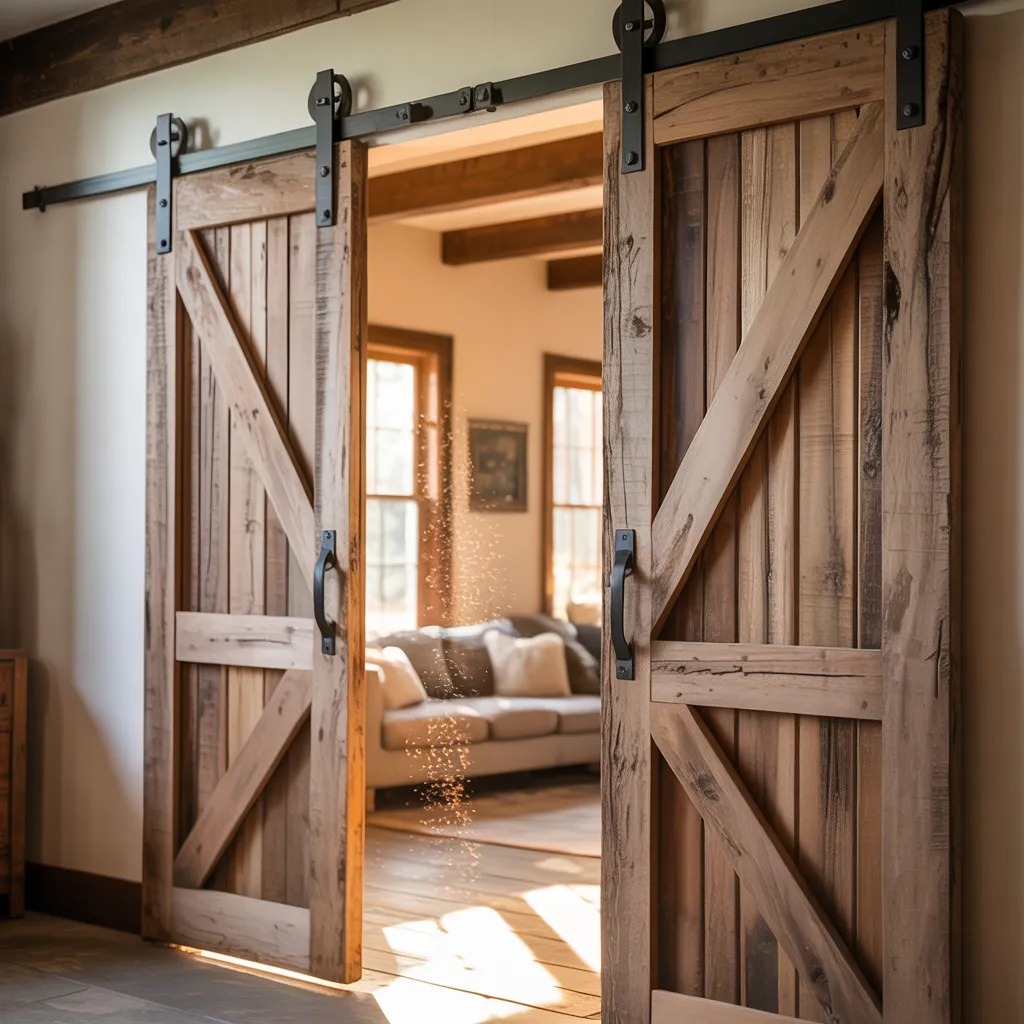
Incorporating mirrored sliding doors can also give the illusion of a larger area while supplying necessary storage space. In tight hallways or entryways, a rustic barn-style sliding door can bring warmth without affecting room size.
To optimize functionality, explore multifunctional sliding door systems that partition living zones while enabling open-plan living when required. Additionally, utilizing lighter materials can facilitate smoother door operation, providing effortless adjustments. These practical tips can convert compact areas into practical, attractive spaces, proving that impressive design is possible without extensive space.
Smart Features for Privacy and Natural Light
How do smart features balance privacy needs with natural light transmission in sliding doors? Modern sliding doors equipped with smart technology offer innovative solutions for achieving both. Glass panels may include variable opacity settings, enabling users to transition from clear to frosted with a simple button press. This capability ensures that natural light flows into the area while preserving privacy as required.
Furthermore, intelligent window solutions, such as motorized blinds or shades, can be set up to open or close based on the time of day or room usage, offering greater flexibility and convenience. Smart sensors can monitor ambient light levels, altering the shading or opacity to optimize both privacy and illumination. Moreover, integration with home automation systems enables homeowners to manage these features remotely, enhancing security and comfort. Such advancements not only enhance the functionality of compact spaces but also support a harmonious balance of light and privacy.
Sliding Door Installation and Maintenance Tips
Effective installation and care of sliding doors can considerably extend their lifespan and efficiency. Correct installation starts with precise measurements to ensure a perfect refer to this page fit within the frame. It is essential to align the track and firmly secure it, which avoids future functional problems. Regularly checking and cleaning the tracks is essential; dirt and debris can hinder movement. Applying silicone spray to the rollers and tracks assists in preserving seamless functionality.
When it comes to upkeep, checking the door seals on a routine basis can prevent drafts and moisture intrusion. Moreover, resolving any scratches or dents in a timely manner maintains the visual appearance. If the door becomes misaligned, readjusting the rollers may resolve the issue. Property owners ought to check the locking mechanisms to ensure security is not compromised. By applying these setup and maintenance recommendations, people can enhance the functionality and longevity of their sliding doors, making them an ideal feature for compact areas.

Common Questions and Answers
Do Sliding Doors Help Boost Home Energy Efficiency?
Sliding doors have the potential to boost home energy efficiency by offering improved insulation and minimizing air leakage. Top-tier sliding doors, fitted with energy-saving glass, assist in preserving indoor temperatures, effectively reducing heating and cooling expenses for homeowners.
Do Sliding Doors Pose Any Safety Risks for Children and Pets?
Sliding doors can pose safety risks for children and pets because of their glass panels and the possibility of unintended opening. Nevertheless, protective features such as tempered glass and sturdy locks can address these concerns efficiently.
How Can I Effectively Clean My Sliding Door Tracks?
To wash sliding door channels thoroughly, it is recommended to begin by eliminating dirt and debris using a vacuum or brush, and then use soapy water and a cloth to wipe down the tracks. Rinse well and dry completely to stop buildup from occurring again.
What Is the Expected Lifespan of a Sliding Door?
The standard lifespan of a sliding door typically ranges from 20 to 30 years. Key factors impacting durability consist of material quality, regular maintenance, and environmental conditions, all of which play significant roles in the door's longevity.